

An “fda approved derma roller” claim does not automatically mean a device is suitable for home use. In the United States, the important questions are whether the product is a medical device, what its FDA authorization actually covers and who its instructions identify as the intended user. A listing that mentions FDA status without answering those questions is not enough to guide a purchase.
The short answer: Do not assume you can use a medical microneedling device yourself because a seller calls it FDA-approved. The FDA’s microneedling safety guidance states that the agency has not authorized microneedling medical devices for over-the-counter sale.
Superficial cosmetic rollers are a separate category. Some products intended only to exfoliate the outermost skin surface may not meet the FDA’s definition of a medical device. That distinction does not make every home roller safe, nor does it mean the FDA has reviewed its performance. Before buying, separate the marketing claim from the actual labeling.
Can you use an “fda approved derma roller” at home?
For medical microneedling, the appropriate route is treatment by a trained, licensed healthcare provider using a device suitable for the intended procedure. A professional-use device does not become a home-use product simply because an online store will ship it to you.
The wording also needs correcting. FDA-approved and FDA-cleared are not interchangeable. Many medical devices reach the market through the FDA’s 510(k) clearance pathway rather than premarket approval. Clearance applies to a particular device and its stated intended use, not to microneedling as a whole.
Likewise, FDA establishment registration or device listing does not establish approval or clearance. An FDA logo in a product image, a seller’s certificate or a statement that a factory is registered cannot substitute for the device’s actual regulatory record.
A useful distinction is whether the product penetrates living skin to change tissue structure or function, rather than merely exfoliating the surface. However, buyers should not try to settle that question from needle length alone. Product design, intended use and labeling all matter.
Read the intended-use label before choosing a device
When evaluating an “fda approved derma roller,” start with the manufacturer’s instructions for use, not the marketplace headline. Look for the exact model, intended operator, treatment indications, warnings and any prescription-use restrictions.
| What the documentation says | What it means for your decision |
|---|---|
| Prescription use or use by trained healthcare providers | Do not treat it as an ordinary DIY skincare tool. |
| Clearance for a specific indication | Do not assume the same authorization covers other concerns or body areas. |
| Superficial cosmetic exfoliation | Do not expect the results associated with deeper medical microneedling. |
| FDA registration or listing only | This does not establish device approval or clearance. |
| No identifiable model or accessible instructions | Pause the purchase until the seller supplies verifiable information. |
Match the device name and manufacturer on the packaging to the regulatory documentation. A clearance associated with a different model, a different manufacturer or a different technology does not establish the status of the product in your cart.
For a fuller explanation of those records, Dr. Pen Store’s guide to checking FDA claims on microneedling devices explains the distinctions to review before buying.
If the seller cannot provide understandable instructions or explain the device’s intended user, a discount is not a good reason to proceed.
Roller, pen and genuine product are different questions
A manual roller moves its needles across the skin as the drum turns. A motorized pen uses a moving needle cartridge. Neither format, by itself, establishes FDA status or suitability for unsupervised use.
Searching for an “fda approved derma roller” may also bring up powered pens, cosmetic rollers and unrelated skincare devices in the same results. Compare their documented purposes rather than treating them as equivalent products.
For example, a 0.5 mm derma roller listing tells you the advertised needle length, but that measurement alone cannot establish home-use authorization. There is no universal needle-length cutoff that guarantees a product is appropriate for every person or treatment area.
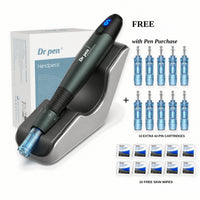
The same model-specific approach applies to pens. Even with the FDA-cleared Dr. Pen A20, buyers should review its own labeling and intended use rather than infer permission for home treatment. Its clearance should not be extended to other Dr. Pen models, rollers or cartridges.
Authenticity and suitability are separate checks. Manufacturer-verifiable authenticity helps establish that you received the genuine product. It does not establish that the product is appropriate for your skin, your goal or your level of training.
When home treatment is the wrong choice
A device cannot determine whether a mark is an acne scar, active inflammation or a lesion that needs medical assessment. That screening is one reason professional evaluation matters, especially when the goal involves scarring, pigmentation or hair loss.
Buying an “fda approved derma roller” does not remove the possibility of infection, scarring or unwanted pigment changes. The FDA identifies these among the risks associated with microneedling, alongside effects such as bleeding, redness and discomfort.
Seek medical advice before considering treatment if you have any of the following:
- Active acne, a skin infection, open wounds or an eczema or psoriasis flare in the proposed treatment area.
- A history of keloids, poor wound healing or significant pigment changes after skin injury.
- A bleeding disorder, immune suppression or medication that affects bleeding or healing.
- An unexplained mole, changing lesion or skin problem that has not been diagnosed.
This is not a complete screening checklist. Tell the clinician about prescription medicines, recent skin procedures and any history of cold sores when facial treatment is being considered. Do not stop prescribed medication to make a procedure possible without speaking to the prescriber.
People with darker skin tones should also ask about the clinician’s experience managing post-inflammatory pigmentation. The relevant question is the provider’s experience with your skin and concern, not a blanket promise that a device is safe for everyone.

Home hygiene does not replace clinical safeguards
Cleaning a roller at home is not the same as validated sterilization. Rinsing it, soaking it in alcohol or placing it in a storage case does not establish that a used needle device is sterile. Never share a roller or cartridge, even with someone in your household.
For medical microneedling, the FDA advises using a new needle cartridge for each patient and each treatment session. Reuse can introduce risks that are not visible when you inspect the needles.
An “fda approved derma roller” claim also does not authorize using the device to deliver skincare products into the skin. The FDA states that it has not cleared microneedling devices for use with another product, such as cosmetics, topical medications or platelet-rich plasma. An ordinary facial serum should not be assumed suitable for application through newly created skin channels.
If you receive professional treatment, follow the provider’s written aftercare instructions. Ask which products to pause, how to protect the treated area and when to resume exercise or water-based activities. Do not substitute an online schedule for advice specific to your procedure.
Keep wellness routines separate from skin recovery
A sauna session or a cold plunge is not a substitute for microneedling aftercare. If your home wellness routine includes saunas, hot tubs or cold plunges, discuss the timing of those activities with your treating clinician before the procedure.
Heat and sweating can irritate recently treated skin. Immersion in shared or nonsterile water can also expose a disrupted skin barrier to contaminants. The appropriate waiting period depends on the procedure and how your skin is healing, so a universal same-day or next-day rule is not reliable.
Contact your healthcare provider promptly if you develop worsening pain, spreading redness, pus, fever or other signs of infection. Do not keep treating an irritated area to maintain a planned schedule.
Make the purchase decision before choosing accessories
Before ordering an “fda approved derma roller,” be able to explain three things: what the exact device is authorized or intended to do, who should operate it and why it is appropriate for your particular concern. If any answer depends only on a seller’s slogan, keep investigating.
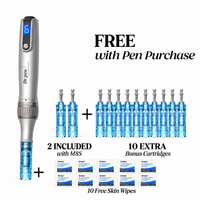
For a pen, confirm cartridge compatibility with the exact model rather than assuming that a similar-looking cartridge will fit or function correctly. Check the packaging, manufacturer identification and relevant instructions. Avoid building a basket of needles and serums before you have established whether the device itself belongs in your care plan.
If your goal is improvement in acne scarring, wrinkles or hair thinning, start with the diagnosis and treatment options. Choosing the lowest-priced tool first can leave you with a device that does not address the actual problem.
Frequently asked questions
Does FDA clearance mean a roller is safe for everyone? No. Clearance is device-specific and tied to an intended use. It does not eliminate contraindications, complications or the need for an appropriately trained operator. It also does not establish over-the-counter authorization.
How often should I use a derma roller at home? There is no universal safe schedule. Frequency depends on the product’s intended use, the procedure and your skin. Do not use a professional medical device at home based on an online calendar, and do not repeat treatment while skin remains irritated or unhealed.
Is an “fda approved derma roller” authorized for hair growth? That phrase does not establish a hair-growth indication. The FDA’s microneedling guidance states that it has not cleared microneedling devices for hair loss. A dermatologist can diagnose the cause of thinning and explain appropriate treatment options.
Which derma roller is recommended for a beginner? Beginner status is not enough to recommend a needle device. First establish whether your goal calls for medical treatment or superficial cosmetic care. Then assess the exact labeling, your skin history and the available alternatives rather than choosing by needle count or reviews alone.
Choose by verified labeling, not the headline
Before buying from Dr. Pen Store, identify the exact model and ask support for the relevant product documentation and compatibility information. For medical microneedling, have a licensed healthcare provider assess the treatment first. A genuine device and a clear regulatory record are useful checks, but neither replaces a decision about whether you should use it yourself.