


A facial with microneedling is not simply a standard facial with a stronger exfoliation step. A conventional facial mainly cleanses, moisturizes and treats the skin’s surface. Microneedling deliberately punctures the skin to trigger a repair response, which changes the potential benefits, risks and recovery. If both treatments appear on the same booking menu, the most useful distinction is this: choose a facial for surface care and relaxation, and discuss medical microneedling with a qualified healthcare professional for specific texture concerns.
Standard facial vs. microneedling: the practical differences
“Standard facial” is not a standardized medical term. Here, it means a treatment built around cleansing, gentle exfoliation, a mask and moisturizer, sometimes with extractions or massage. Adding a chemical peel or another procedure changes the comparison.
| Factor | Standard facial | Microneedling treatment |
|---|---|---|
| Main action | Cleanses, hydrates and may exfoliate the surface | Creates controlled punctures that initiate tissue repair |
| Typical goals | Temporary hydration, smoother surface feel and congestion management | Improvement in selected scars, fine lines and uneven texture |
| Sensation | Usually comfortable, although extractions may sting | Can be uncomfortable; topical numbing may be used |
| Recovery | Often little downtime after a gentle treatment | Redness, tenderness, swelling or flaking can last several days |
| Result timing | Hydration and surface changes may be visible quickly | Remodeling develops over weeks to months |
| Main safety concerns | Irritation, allergic reactions and overly aggressive extractions | Infection, pigment changes, scarring and other procedure-related complications |
What does a facial with microneedling involve?
At a clinical appointment, the provider should first assess your skin, medical history and treatment goals. They may use topical anesthetic, prepare the skin and perform the procedure with an appropriate device and a new sterile, single-use needle cartridge. Aftercare should match the treatment performed.
Unlike cleansing or applying a mask, the needling step breaches the skin barrier. That is why hygiene, practitioner training and device labeling matter more than the number of extras included in the package.
The name alone does not tell you what you are buying. Ask whether the service involves actual needles, a non-penetrating nano tip or radiofrequency microneedling. These are different treatments, not interchangeable versions of the same facial. Dr. Pen Store’s comparison of microneedling and nano needling explains why the distinction matters when discussing skin goals.
Immediate glow is different from longer-term improvement
Hydration, temporary swelling and changes in how light reflects off the skin can create an early impression of smoothness. That is not proof that new collagen has already formed.
A facial with microneedling should be evaluated against a specific concern over an appropriate follow-up period, rather than judged by a photograph taken immediately afterward. The American Academy of Dermatology’s microneedling guidance describes its use for concerns including acne scars, wrinkles and uneven texture, with results developing gradually.
A treatment series may be recommended, but there is no universal number of sessions that suits every face. Scar type, skin condition, treatment intensity and individual healing all affect the plan. A gentle facial can make dry skin feel better without producing the same tissue-remodeling effect.
Which option fits your skin concern?
Dryness, dullness and a short-term refresh
For skin that feels dry or looks temporarily dull, a gentle hydrating facial may be the simpler choice. It can improve surface comfort and appearance without intentionally creating wounds.
That does not make every facial harmless. Strong acids, abrasive exfoliation and forceful extractions can irritate skin. Tell the provider about sensitivity, rosacea, prescription skincare and previous reactions before treatment.
Indented acne scars and persistent texture
For selected depressed acne scars or fine lines, a facial with microneedling may address a different goal than cleansing and moisturizing alone. A clinician should assess whether the concern is suitable for needling or would respond better to another treatment.
Active inflammatory acne is different from a healed acne scar. Needling through inflamed lesions is not a substitute for treating acne and can increase complications. Raised scars also require a different assessment from indented scars.
Dark spots and uneven pigmentation
Microneedling may be considered for some pigmentation concerns, but “dark spots” can have different causes. Melasma, sun-related spots and marks left by inflammation do not necessarily need the same treatment.
Skin injury can also cause post-inflammatory hyperpigmentation. People with darker skin tones should seek someone experienced in treating their skin type, rather than assume that a procedure marketed as suitable for all skin is risk-free.
Recovery requires more planning than a standard facial
After a gentle facial, many people return to their usual activities immediately. Following microneedling, the skin may look sunburned and feel warm, tight or tender. Dryness and mild flaking can occur, although visible peeling is not required for treatment to work.
The recovery after a facial with microneedling depends on the procedure, your skin and how you heal. Several days of visible redness are possible, and some reactions last longer. Avoid scheduling it immediately before an important event or assuming makeup will safely conceal the recovery period.
Follow the treating professional’s instructions about cleansing, moisturizing, sun protection and when to restart skincare. Do not pick flakes or use scrubs to speed up peeling. Retinoids, exfoliating acids and other potentially irritating products generally need to remain paused until your provider says they are appropriate again.
Dr. Pen Store’s guide to what should happen after microneedling provides further context on expected skin changes. Increasing pain, spreading redness, pus, fever or other worsening symptoms warrant prompt medical advice rather than additional skincare.

Combining treatments is not automatically better
A package may include cleansing, needling, a peel, extractions, massage and several serums. More steps do not necessarily produce better results. Once the skin barrier is disrupted, products and procedures that are normally tolerated can become irritating or inappropriate.
Before booking a facial with microneedling, ask which steps occur before and after needling and why each is included. Aggressive exfoliation, strong peels and manipulation of freshly treated skin should not be treated as routine add-ons. A clinician may use a carefully selected combination protocol, but that requires a clinical rationale and suitable timing.
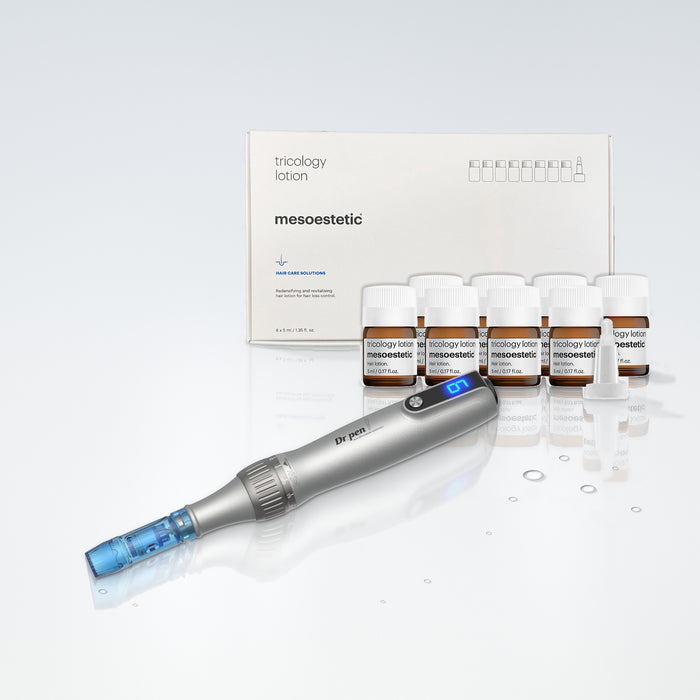
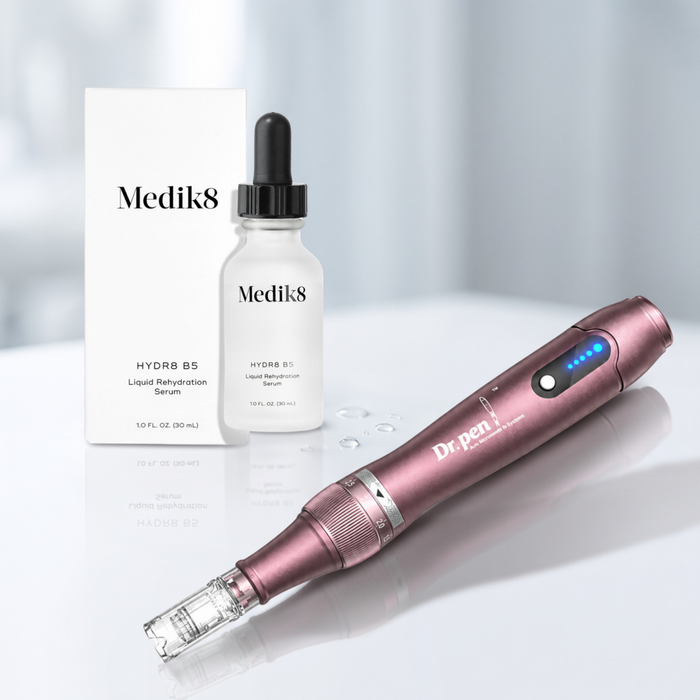
Serum language deserves particular attention. The FDA’s guidance on microneedling devices states that it has not cleared microneedling devices for delivering cosmetics, topical medications, vitamin solutions, drugs or blood products into the skin. An ordinary cosmetic serum is not automatically appropriate for use with a device simply because it is labeled hydrating.
For a subsequent facial, wait until the skin has recovered and obtain your treating provider’s approval. The timing depends on both the needling procedure and what the next facial includes.
Safety checks before you book
Microneedling is a procedure with medical risks, not just a beauty-service upgrade. The FDA recommends seeking a healthcare provider with special training in microneedling when considering a medical microneedling device.
A responsible consultation for a facial with microneedling should cover your medications, healing history and current skin condition. Mention cold sores, a tendency toward keloids, immune-system conditions, blood-thinning medication and recent procedures. Do not stop prescribed medication on your own to qualify for treatment.
Useful questions include:
- Who performs the procedure? Ask about professional qualifications, relevant training and experience with your skin tone and concern.
- Which device is used? Request the exact model and an explanation of its intended use.
- How is infection risk controlled? Confirm that a new sterile, single-use cartridge is used for every session, including repeat visits for the same person.
- What happens if there is a complication? You should know whom to contact and how follow-up is handled.
Do not proceed over an active skin infection or unexplained rash without medical assessment. A provider who guarantees a result or skips the consultation is not offering a meaningful substitute for proper screening.
If you are comparing devices online
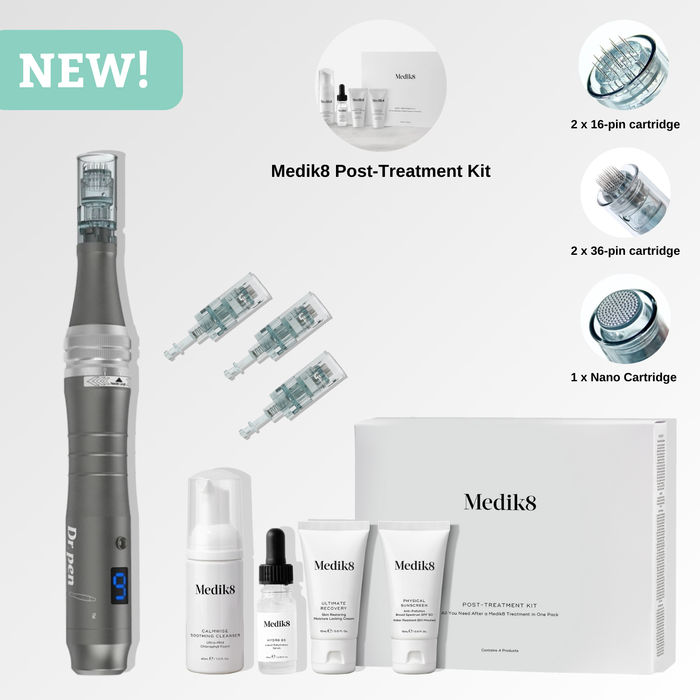
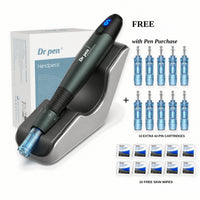
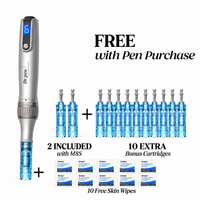
A professional treatment and buying a pen are separate decisions. A device being available online does not establish that medical microneedling is suitable for unsupervised home use. Check the exact model’s labeling, intended user and regulatory status; do not assume clearance applies to every device sold under the same brand.
When researching equipment used for a facial with microneedling, prioritize documentation over presentation. Retail UX and e-commerce optimization can make product pages easier to navigate, but attractive design and automated recommendations do not establish device authenticity or clinical suitability.
For a Dr. Pen purchase, check manufacturer-verifiable authenticity, model-specific cartridge compatibility and clear support information. A cartridge that looks similar is not necessarily compatible. Genuine equipment matters, but it does not remove the need for appropriate training, sterile technique and patient assessment.
Frequently asked questions
Can I have a regular facial after microneedling? Yes, once your skin has recovered and your treating provider approves. After a facial with microneedling, avoid booking another treatment based only on how the surface looks. Persistent sensitivity or irritation can mean the skin is not ready, and a facial containing acids or extractions may require a different interval from a gentle moisturizing treatment.
Is peeling normal after treatment? Mild dryness and flaking can occur. Some people do not visibly peel, and that does not mean the procedure failed. Do not pick or exfoliate the flakes. Contact your provider about severe peeling, blistering, worsening pain or other unexpected symptoms.
Does microneedling permanently remove acne scars? It may improve the appearance of selected indented scars, but complete removal is not a realistic promise. Different scar patterns may require different treatments or a combined treatment plan.
Is a standard facial enough for fine lines? Hydration can temporarily soften the appearance of dehydration-related lines. Persistent wrinkles may need a different approach, which could include skincare or a clinical procedure after assessment. Neither option guarantees a particular result.
Choose the treatment before choosing the device
For surface hydration and a low-downtime refresh, start by considering a gentle facial. For persistent scars or texture concerns, arrange a clinical assessment before committing to microneedling or buying equipment.
If a Dr. Pen device is appropriate for your intended setting, explore Dr. Pen Store for genuine devices, replacement cartridges and product support. Confirm the exact model, compatible cartridge and intended use before purchasing, rather than choosing solely by a treatment package name or promised glow.