

The most useful budget for in office microneedling is a full-course budget, not the price of one appointment. Your actual commitment may include a consultation, several treatments, aftercare, travel and time away from work. Before buying a package, ask for a written plan that explains the treatment goal, what each visit includes and when the provider will reassess your progress. That gives you a spending limit you can use, rather than a starting price that keeps growing.
Start with the treatment goal, not a package price
A budget only makes sense once a qualified clinician has assessed what you want to treat. Acne scars, uneven texture and wrinkles may require different approaches, and microneedling will not be the right option for every concern.
Ask the provider to distinguish between the initial course and any optional future maintenance. You need an estimated number of visits, the proposed spacing and a point at which you will review results before spending more. None of those should be presented as a guarantee.
Microneedling creates controlled skin punctures, but conventional treatment and radiofrequency microneedling are not interchangeable services. Radiofrequency devices also deliver energy into tissue, with different risks and pricing. Compare quotes for the same procedure and treatment area.
The FDA’s guidance on microneedling devices explains potential uses, limitations and risks. Ask which device the clinic uses and whether it is FDA-cleared for the proposed use. Clearance is specific to a device and its indications, not a blanket endorsement of every advertised benefit.
What your in office microneedling quote should include
Request an itemized estimate before paying a deposit. A useful quote should make these costs and conditions clear:
- Assessment fees: Whether the consultation costs extra and whether that fee is credited toward treatment.
- Treatment scope: The exact areas covered, the procedure type and the estimated number of visits.
- Included supplies: Whether numbing, sterile single-use cartridges and routine aftercare are included.
- Follow-up arrangements: Whether progress reviews and advice about unexpected reactions carry additional fees.
- Booking terms: The deposit, cancellation window, package expiration and refund policy.
Clarify what “full face” means at that clinic. The neck, a localized scar area or another body area may be priced separately. Likewise, a package with optional add-ons is not directly comparable with a quote for conventional needling alone.
Ask the provider to separate recommended care from elective extras. If an add-on is proposed, request its purpose, supporting evidence, added risk and individual price. A treatment does not become necessary simply because it appears in a discounted bundle.
Check the provider before comparing discounts
For in office microneedling, provider selection is part of financial risk management. An inexpensive appointment is poor value if the treatment is unsuitable or follow-up is unclear.
Verify the practitioner’s active professional license and whether the procedure falls within their permitted scope in your state. Ask about experience treating your concern and skin tone, who performs the assessment and who handles complications.
The clinic should explain its infection-control process, including opening a new sterile cartridge for each treatment and disposing of it afterward. It should also take a medical history and provide written aftercare instructions. Pressure to prepay before an assessment, guaranteed results and vague answers about equipment are reasons to pause.
Build a full-course budget with a reserve
The following example uses hypothetical figures, not a market-price estimate or a Dr. Pen Store treatment offer. Replace every amount with your clinic’s quote and your own expenses. Three sessions are used only to demonstrate the calculation, not to recommend a course length.
| Budget item | Illustrative calculation | Amount |
|---|---|---|
| Consultation | One assessment | $75 |
| Treatment visits | Three visits at $400 | $1,200 |
| Approved aftercare | Products not already owned | $60 |
| Travel and parking | Three visits at $25 | $75 |
| Unpaid time away from work | Three visits at $40 | $120 |
| Subtotal | Planned treatment-related costs | $1,530 |
| Contingency reserve | Separate planning allowance | $150 |
| Total planning target | Subtotal plus reserve | $1,680 |
In this example, the in office microneedling budget is $1,680 even though the advertised session price is $400. The $120 income allowance is not a clinic charge, but it still affects affordability.
A reserve gives you flexibility for small unplanned expenses. It does not guarantee coverage for medical care if a complication occurs. Ask the clinic how concerns are assessed and billed, and check your insurance terms rather than assuming coverage.
Convert the total into an affordable schedule
If you choose to save over six months, a $1,680 target means setting aside $280 per month. That is a funding schedule, not a recommendation for how often treatments should occur.
Also calculate a higher-cost scenario. In this example, one additional visit would add at least $465 for treatment, travel and unpaid time, before any extra aftercare. Ask whether the provider would recommend another session only after reviewing your response. Budget flexibility should not become permission for an open-ended course.
Account for recovery and possible postponements
Recovery can affect your budget even when it does not generate a clinic invoice. Redness, tenderness, swelling or peeling may disrupt public-facing work and social plans. Their duration depends on the procedure, treatment intensity and your skin’s response.
When planning in office microneedling, ask about the likely recovery window for your specific treatment rather than relying on another patient’s photos. Discuss exercise, sun exposure, makeup and when to restart products such as retinoids or exfoliating acids. Buy only the aftercare your clinician approves, and check whether suitable products you already own can be used.
If a wedding, holiday or work event is involved, allow room for both recovery and rescheduling. Our guide to planning microneedling around an important event explains why visible recovery and gradual treatment results need separate timelines.
Active skin infection, inflamed acne in the treatment area or a flare of certain skin conditions may mean postponing. Disclose medications, a history of cold sores, healing problems and recent procedures during assessment. Check the clinic’s medical-postponement policy before prepaying, and review these reasons to postpone a microneedling treatment before booking.

Compare packages with pay-as-you-go treatment
A package can lower the price per visit, but only if the proposed course is suitable and the terms work for you. Calculate the saving against the clinic’s equivalent individual treatments, excluding extras you would not otherwise buy.
For example, three visits at $400 total $1,200. A $1,080 package saves $120, or 10%. That saving may not justify prepaying if unused sessions are nonrefundable or expire before you can reasonably attend.
Before purchasing, ask what happens if treatment becomes medically inappropriate, the practitioner leaves or your assessment changes. Find out whether refunds are recalculated using the undiscounted price of completed sessions. That detail can substantially reduce the amount returned.
Pay-as-you-go may be a better fit when you want to assess tolerability or keep your financial commitment limited. A package may make sense after an individualized assessment, provided its cancellation and refund terms are acceptable.
Evaluate financing by total repayment
Financing does not make in office microneedling less expensive unless the total repayment genuinely matches or beats the cash price. Compare the APR, fees, payment dates and total amount payable, not just the monthly installment.
For promotional financing, establish whether deferred interest applies if the balance is not cleared on time. Also ask how a refund would reach the financing account. Avoid borrowing based on promised results or an assumed need for years of maintenance.
Understand what cartridge and equipment costs actually cover
A clinic appointment includes more than the disposable needle cartridge. You are paying for assessment, practitioner time, infection control, equipment, premises and follow-up arrangements. A retail cartridge price therefore cannot tell you whether a professional treatment is fairly priced.
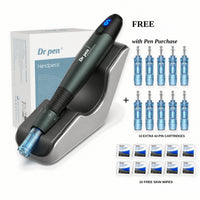
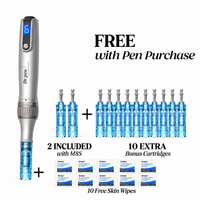
For a qualified practitioner planning consumables for an M9, the 18 Pin Replacement Cartridges for Dr. Pen M9 Microneedling Pen (10 Pack) are a model-specific example. These cartridges have surgical stainless steel needles, are compatible only with the Dr. Pen M9 and are supplied sterile for single use. They must not be reused.
For patients comparing in office microneedling quotes, the useful question is whether appropriate sterile consumables are included, not whether buying a box could replace professional care. Do not assume a clinic accepts patient-supplied cartridges. Device ownership also does not provide the assessment, training or complication management included in clinical care.
Keep elective treatment within your wider budget
Set your maximum comfortable spend before discussing upgrades. Keep essential bills, emergency savings and necessary healthcare outside the money allocated to an elective cosmetic course. If the plan exceeds that limit, discuss postponing or choosing a different approach rather than stretching the budget around a sales deadline.
Other care commitments should remain separate. For example, Montgó Lifestyle’s personalized mental health programs address needs such as burnout, trauma and addiction, not cosmetic skin concerns. Protect funding for necessary care before deciding what you can comfortably spend on optional aesthetic treatment.
It is reasonable to decide that a clinically appropriate procedure is not financially appropriate right now. You do not need to buy maintenance visits or a larger package to validate the consultation.
Frequently asked questions
Is professional microneedling worth the cost? It may be worthwhile when a qualified provider identifies a suitable concern, explains realistic improvement and offers a plan you can afford. The value of in office microneedling depends on the assessment and care provided, not simply the device brand or the size of a discount. Results vary and are not guaranteed.
Will insurance pay for treatment? Cosmetic microneedling is generally an out-of-pocket expense. If a provider suggests that your treatment might qualify for coverage, confirm this directly with your insurer before proceeding. Ask about the proposed procedure, diagnosis, provider eligibility and any authorization requirements.
Should I prepay for maintenance sessions? Not before you understand whether maintenance is appropriate for your concern and how the initial course will be evaluated. Ask the clinician to review your response before recommending further spending. Maintenance should not be treated as an automatic subscription.
Can microneedling treat spider veins? Microneedling is not a standard treatment for spider veins. Have visible vessels assessed by an appropriately qualified clinician, who can discuss suitable options. Spending on the wrong procedure is not a saving, even when the package price is attractive.
Take a written budget to your consultation
Bring your spending limit and ask for an itemized plan, a review point and clear cancellation terms. Before committing to in office microneedling, confirm the procedure, provider qualifications, recovery expectations and full-course cost. If you are purchasing supplies for an M9 professional setup, verify cartridge compatibility and single-use requirements first. The right purchase is the one that matches the assessed treatment plan, not the largest bundle.