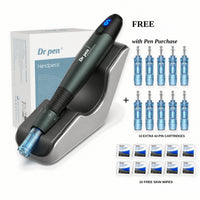
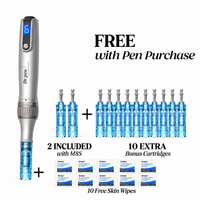

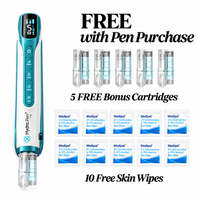

Searching for “nano infusion pen professional” brings up devices that look similar but may use different tips, require different cleaning procedures and support different cosmetic services. For a working treatment room, the best purchase is not necessarily the pen with the most speed settings. It is the system you can legally use, reliably restock and maintain according to its instructions.
Evaluate the pen, cartridge, topical product and treatment protocol together. This guide focuses on the purchasing decisions that matter before you commit to a device or a bulk cartridge order.
Define the Service Before Comparing Pens
Start with the service you intend to offer. Nano infusion is generally marketed for superficial cosmetic treatments, such as improving the appearance of skin smoothness or supporting hydration. It should not automatically be treated as equivalent to medical microneedling for acne scars or collagen remodeling.
“Nano” is not a uniform technical specification. Ask what the tip is made from, how it contacts the skin and what the manufacturer identifies as its intended use. Do not infer penetration depth or safety from the product name.
Your professional license also matters. Before purchasing, confirm that the proposed device, tip and technique fall within your state’s scope-of-practice rules and your insurance coverage. A seller’s statement that a pen is “esthetician-friendly” does not establish legal permission to use it.
If you need a terminology refresher, Dr. Pen Store’s guide to nano cartridges and their safe use explains the distinction from conventional needle cartridges.
A Buying Checklist for “nano infusion pen professional” Listings
A professional-looking product page is not enough. Request documentation that answers these questions before placing an order:
| Buying criterion | What to verify | Reason to pause the purchase |
|---|---|---|
| Intended use | Written description of the supported cosmetic service and intended user | Broad treatment promises without instructions |
| Cartridge compatibility | Exact pen model, cartridge name and manufacturer confirmation of fit | Compatibility based only on appearance |
| Tip construction | Material, contact surface and intended action | “Nano” used without a technical explanation |
| Infection control | Single-use requirements and manufacturer-approved cleaning procedures | Advice to reuse disposable tips |
| Topical products | Documented suitability for the intended procedure | Claims that any serum is suitable |
| Ongoing support | Access to instructions, replacement supplies and warranty terms | No clear support contact or written terms |
For a professional nano infusion pen, these details are more useful than a long list of speed levels. A missing specification creates uncertainty in your service protocol, purchasing budget or client consultation.
Confirm the Exact Cartridge, Not Just the Brand
Cartridge compatibility should be established at the model level. Two pens from the same brand can have different attachment systems, dimensions or operating requirements. A tip that appears to fit is not necessarily approved for use with that device.
For example, Dr. Pen Store lists Dr. Pen HydraPen H3 Pro Nano cartridges. That listing provides a specific product to investigate if you are evaluating an H3 setup. It does not establish compatibility with an H6, M8S or another Dr. Pen model.
Before buying in quantity, obtain confirmation of the exact cartridge designation and review its packaging information. Check the single-use designation, lot identification and any applicable expiration date. If your protocol requires sterile supplies, verify that the product is explicitly supplied sterile rather than assuming that sealed packaging means sterility.
A professional nano infusion pen is only practical if the correct replacement tips remain available. Compare cartridge availability and reorder lead times alongside the initial device price.
Assess the Serum and Device as a Combination
“Infusion” does not mean that every skincare product is suitable for every device-assisted treatment. A serum designed for ordinary application to intact skin should not automatically be used when a procedure could disrupt the skin barrier.
Ask for written guidance covering the proposed device, tip and formulation. Review the product’s intended use, ingredients, handling instructions and dispensing method. Be particularly cautious about strong exfoliating acids, fragrances or other potentially irritating ingredients unless the relevant instructions specifically support their use.
For systems with reservoirs or other fluid-contact components, establish which parts are disposable, which require cleaning and whether leftover product must be discarded. Do not assume that a fluid pathway can be flushed and reused.
The FDA’s guidance on microneedling devices distinguishes medical microneedling from certain superficial cosmetic products. It also states that the FDA has not cleared microneedling devices for use with another product. That guidance should not be converted into a blanket approval or prohibition for every product marketed as nano infusion, but it makes device-specific intended use essential.
Compare Handling, Power and Treatment-Room Workflow
Once the proposed service and compatible supplies are clear, assess how the pen fits an ordinary appointment. A professional nano infusion pen should be evaluated for consistent operation and manageable handling, not simply its highest advertised output.
Consider the grip diameter, device weight and location of the controls. Ask whether settings remain visible during normal use and whether the cartridge connection can be checked without ambiguity. If you can evaluate a demonstration unit, assess handling without performing an unauthorized treatment.
For cordless equipment, request documented runtime and charging requirements. A claimed battery duration may not reflect your service pattern. For corded operation, consider whether cable placement interferes with movement or clean working practices. Do not assume a cordless pen can operate while charging unless its instructions say so.
Also check whether settings have a defined purpose in the manufacturer’s nano protocol. More adjustment options are not automatically an advantage, particularly if a device supports multiple cartridge types. Settings intended for another procedure should not be transferred to nano use without documented guidance.
Check Cleaning and Storage Before Buying
Read the cleaning instructions before deciding whether the device suits your practice. Establish how to clean the handpiece exterior, what to do after contamination and which cleaning agents are compatible with its materials. Do not immerse electrical components unless the manufacturer expressly permits it.
Single-use cartridges should not move between clients or be saved for another appointment. Gloves, surface barriers and disinfectants do not make a disposable tip reusable.
The surrounding workspace matters too. Keep unused cartridges in their specified storage conditions, separate clean supplies from used equipment and establish a safe waste route. In a compact practice, MORALVE’s space-saving hangers can help organize a separate staff uniform closet, keeping personal garments away from treatment supplies. Garment storage is not a substitute for protected cartridge storage or clinical infection-control measures.
Choosing a professional nano infusion pen includes choosing a cleaning workflow your team can follow consistently between appointments.

Calculate Cost per Appointment, Not Just Purchase Price
A low device price can be outweighed by expensive cartridges, unavailable supplies or time-consuming preparation. Compare the complete cost of delivering the same defined service with each shortlisted system.
Include the device allocation, cartridge, topical product, barriers, other disposables and cleaning supplies. Then account separately for practitioner time, room overhead, payment processing and any maintenance or replacement allowance.
Illustrative budgeting example, not Dr. Pen Store pricing: A $300 device allocated across 100 appointments contributes $3 per appointment. Add a hypothetical $6 cartridge and $4 in other consumables, and the equipment-and-consumables subtotal becomes $13. Labor, overhead, taxes and other business expenses are still excluded.
For a professional nano infusion pen, cartridge purchasing deserves particular attention. Compare pack sizes, storage requirements and expected use before ordering a large quantity. A lower unit price is not a saving if stock expires or does not fit the purchased model.
Avoid calculating profitability from the advertised treatment price alone. Your appointment length should include consultation, setup, cleaning and documentation, not just time spent using the pen.
Verify Authenticity, Regulatory Claims and Support
Professional equipment needs a traceable supply chain. Request an invoice identifying the exact model and ask how to complete the manufacturer’s available authenticity checks. Packaging, logos and a low price do not establish that a device is genuine.
Regulatory claims also require precision. FDA clearance for one model or indication does not establish clearance for every pen, nano cartridge or serum combination sold by the same brand. Ask for documentation relevant to the exact configuration you intend to use, and distinguish manufacturer instructions from seller-written marketing.
Before selecting a professional nano infusion pen, obtain written warranty and return terms. Confirm who handles faults, what evidence is required and whether consumables have different return restrictions from the device. Do not assume that a warranty includes a loan unit or uninterrupted business use.
A useful pre-purchase inquiry states your location, professional credential, intended service, preferred model and proposed cartridge. Ask the seller to identify the supporting documentation rather than simply recommend its most expensive pen.
Frequently Asked Questions
What does a nano infusion pen do? Products marketed as nano infusion pens generally use superficial tips for cosmetic skin treatments. Their exact action depends on the cartridge and device. Look for documented intended use rather than assuming every nano system delivers ingredients into living skin.
Does nano microneedling really work? “Nano microneedling” is an imprecise marketing term. Superficial treatments may improve the temporary appearance or feel of the skin, but that is different from evidence of scar improvement or collagen remodeling. Ask for evidence relevant to the exact device, protocol and claimed outcome.
Can estheticians use nano infusion pens? Permission depends on the jurisdiction, license, device and procedure. Before purchasing a professional nano infusion pen, check with your licensing board and insurer. Calling a treatment noninvasive does not, by itself, establish that it falls within your permitted scope.
How much do professional nano infusion treatments cost? There is no single price that applies across practices. Location, appointment length, included products and practitioner costs affect pricing. When comparing services, ask what the appointment includes and whether the quoted service is superficial nano infusion or a different procedure.
Can the same pen support nano and conventional needle cartridges? Some devices may support multiple cartridge types, but this must be verified for the exact model. Physical compatibility does not establish that every procedure is permitted under your license, covered by insurance or appropriate under the device’s instructions.
Choose the Complete Setup Before You Order
Shortlist a device only after confirming its intended use, exact cartridges, cleaning requirements and ongoing costs. Then check authenticity and support terms before committing to stock.
When you are ready to compare genuine Dr. Pen options, contact Dr. Pen Store with your intended model and cartridge requirements. Request confirmation of the compatible setup and relevant documentation so your purchase supports the service you are qualified to provide.