


If you have a history of keloids, a skin treatment with needles deserves more caution than a routine cosmetic consultation. Cosmetic microneedling is generally not recommended for people who form keloids, because the treatment deliberately injures skin to stimulate repair. That healing response is precisely what can become excessive in keloid-prone skin.
Not every needle-based procedure has the same purpose, however. A dermatologist may use injections to treat an existing keloid. Those injections are different from microneedling for acne scars, texture or fine lines. Understanding that distinction helps you avoid an unsuitable treatment without overlooking legitimate medical care.
Why keloid-prone skin needs extra caution
Microneedling, sometimes called collagen induction therapy, creates small punctures that trigger wound healing. In suitable patients, that response can improve the appearance of certain depressed scars and other texture concerns. In someone prone to keloids, additional injury can instead lead to unwanted raised scarring.
A keloid is not simply a prominent scar or a dark mark. These differences matter:
| Skin change | Typical appearance | Why the distinction matters |
|---|---|---|
| Keloid | Raised scar that extends beyond the original injury | Requires medical assessment before further skin injury |
| Hypertrophic scar | Raised scar confined to the original wound | Still needs assessment before cosmetic needling |
| Atrophic acne scar | Indentation or depression in the skin | May be considered for microneedling in appropriately selected patients |
| Post-inflammatory hyperpigmentation | Flat brown or darker mark after inflammation | A pigment change, not the same problem as a raised scar |
These are general descriptions, not a way to diagnose yourself. A person can have depressed acne scars and a separate tendency to develop keloids. One does not cancel out the other.
Which skin treatment with needles do you mean?
The treatment's purpose matters more than the fact that it uses a needle.
Standard microneedling repeatedly punctures an area of skin to stimulate remodeling. The FDA's information on microneedling devices identifies a history of keloid scars among the factors that may make treatment unsuitable. A provider should screen for that history before discussing settings or treatment packages.
Radiofrequency microneedling combines needle penetration with delivery of radiofrequency energy. It is not interchangeable with standard microneedling. The added energy introduces thermal risks, including burns, and does not remove the concern about abnormal scarring. It should not be presented as a safer workaround for keloid-prone skin.
Intralesional injections place medication directly into a scar. A dermatologist may recommend corticosteroid injections, sometimes alongside other treatments, to reduce a keloid's thickness or symptoms. Their goal is to control excessive scar tissue, not create widespread injury to stimulate more collagen.
Mesotherapy, injectable fillers and other needle-based procedures also require their own assessment. Safety advice for one procedure cannot automatically be transferred to another, even when the needles look similar.
Who should pause before booking microneedling?
A personal history of keloids is the clearest reason to avoid booking cosmetic needling without a dermatologist's assessment. Mention scars from piercings, acne, vaccinations, surgery, burns and minor cuts, including scars outside the intended treatment area.
If you are considering a skin treatment with needles, a keloid on your ear or chest still matters when the proposed treatment is on your face. Scar behavior can vary by body site, but a history elsewhere should not be dismissed.
A family history of keloids also belongs in the consultation. It does not prove you will develop one, but it provides relevant information. Similarly, having no visible keloids does not replace a review of previous wound healing.
Skin tone alone should not determine the decision. Keloids occur across skin tones, although susceptibility differs between people. Post-inflammatory hyperpigmentation is another concern, particularly in darker skin, but pigment risk and keloid risk are separate issues.
The store's broader guide to who may be suitable for microneedling covers other screening considerations. Active infection, irritated skin and relevant medical conditions can make treatment inappropriate even without a keloid history.
Can shallow needles or a test spot make it safe?
Lower settings do not establish suitability
There is no universal needle depth, speed setting or cartridge type that makes cosmetic microneedling safe for everyone who forms keloids. Changing equipment settings does not remove an underlying tendency toward excessive scarring.
Likewise, a professional setting improves access to assessment and infection-control practices, but it does not erase a contraindication. A qualified provider should be willing to decline treatment, not simply offer a gentler version of the same procedure.
For keloid-prone skin, choosing a skin treatment with needles should begin with whether the procedure is appropriate at all, rather than how lightly it can be performed.
A normal-looking test spot is not a guarantee
A small test area still creates an injury. Raised scars can develop after the initial redness has settled, so an early reassuring appearance cannot establish long-term safety. Results at one site also may not predict healing elsewhere.
The American Academy of Dermatology's microneedling guidance includes keloid history among the reasons treatment may not be appropriate. Do not use a home test spot to override that concern. A brief demonstration or a previous uneventful session is not equivalent to medical clearance.
What to discuss with a dermatologist instead
Start with the concern you want to improve, not the device you hoped to use. Bring photographs of previous scars if they are no longer easy to examine, and explain whether they grew beyond the original wound, became itchy or continued thickening.
Useful questions include:
- Is this a keloid, a hypertrophic scar, a depressed scar or a pigment change?
- Does my personal or family history make elective skin injury inappropriate?
- Which options address my concern without unnecessary trauma?
- What changes should prompt a follow-up appointment?
If you want to treat an existing keloid
Management may involve corticosteroid injections, silicone gel or sheets on fully healed skin, cryotherapy or a combination selected for the scar. These options have limitations and are not interchangeable. Surgical removal also needs careful planning because a keloid can recur after further injury.
The American Academy of Dermatology's overview of keloid treatment explains why dermatologists often combine approaches. Do not needle an existing raised scar to try to flatten it.
If your concern is acne scars, pigmentation or aging
The best alternative to a skin treatment with needles depends on the diagnosis. Acne control can help prevent new marks, while sun protection and an appropriate topical regimen may address some discoloration or fine lines. None of these should be described as removing an established keloid.
Peels and lasers also have risks. “Needle-free” does not automatically mean suitable for someone with abnormal scarring.

What if you have already had microneedling?
One treatment does not mean you will necessarily develop a keloid. Still, stop further sessions and tell the treating clinician about your scarring history, especially if it was not discussed beforehand. Keep photographs so that changes can be compared over time.
Early redness, sensitivity and swelling can occur after microneedling. Progressive thickening, a firm raised area, persistent itching or growth beyond an injured area deserves dermatology assessment. Do not wait for a scar to become large before asking for help.
If a skin treatment with needles is followed by spreading redness, increasing warmth or pain, pus or fever, seek prompt medical care. These symptoms can indicate infection rather than routine recovery.
Follow the clinician's wound-care instructions. Do not add acids, retinoids, scrubs or unprescribed scar treatments to irritated or unhealed skin. Ask when to resume makeup, exercise and active skincare rather than following a generic timetable online. Protect recovering skin from sun exposure as directed.
Silicone products should not be placed on open punctures or broken skin. If a clinician recommends them for scar management, confirm when the skin has healed enough to begin.
Genuine equipment does not replace medical screening
Authentic devices, compatible cartridges and proper hygiene matter for people who are appropriate candidates. They cannot make an unsuitable procedure suitable.
FDA clearance is specific to a device and its authorized use. It is not a guarantee that every person can safely undergo treatment, and it does not mean a device is cleared to treat keloids. Ask the provider to explain the exact device, its labeling and the reasons you qualify for treatment.
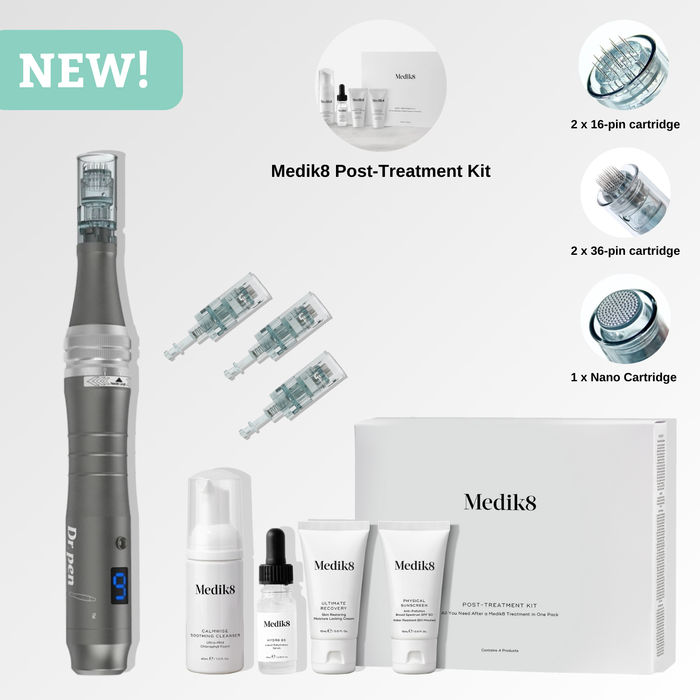
For an eligible patient, a provider should also use an appropriate sterile, single-use cartridge and follow the manufacturer's instructions. A new cartridge reduces certain contamination risks, but it cannot prevent an abnormal scarring response. The same distinction applies at home: genuine equipment does not remove biological risk.
Frequently asked questions
Is every skin treatment with needles unsuitable for keloid-prone skin? No. Cosmetic microneedling is generally unsuitable for people with a keloid history, but dermatologist-administered injections can be part of keloid treatment. The purpose, medication and clinical assessment are different.
Can microneedling flatten a keloid? It should not be used as a DIY treatment for a raised scar. Intentionally injuring the area may worsen scarring. A dermatologist can confirm the diagnosis and recommend treatments intended to control excessive scar tissue.
What if I have acne scars but have never formed a keloid? Depressed acne scars do not automatically mean you are keloid-prone. You still need screening for scar history, skin conditions and other contraindications before treatment.
Is professional microneedling safe if home treatment is not? Professional assessment and hygiene are valuable, but they do not eliminate keloid susceptibility. A responsible clinician may advise against both rather than recommend a different setting or pen.
Does one previous treatment without scarring prove I am safe? No. An uneventful session does not guarantee that another area or later treatment will heal the same way. Disclose your full scar history before any repeat procedure.
Put suitability before the purchase
If you have formed keloids, the next step is a dermatologist consultation, not a device upgrade. Ask which treatments address your concern without exposing you to avoidable scarring.
For readers whose clinician confirms they are appropriate candidates, Dr. Pen Store's devices and replacement cartridges can be considered as part of product research. Genuine equipment matters, but it is never a substitute for deciding whether needling belongs in your treatment plan.