

A nano pen facial may make enlarged pores look less noticeable by improving surface smoothness and hydration. It cannot permanently close pores, and a post-treatment glow is not proof that the skin has produced new collagen. If your main concern is visible pores around the nose or cheeks, the useful question is whether you need temporary surface refinement, help managing congestion or treatment for deeper texture changes.
Understanding that distinction can prevent you from buying the wrong cartridge or paying for a treatment package that does not match your goal.
Why pores look enlarged
Pores are openings associated with hair follicles and oil glands. Their visibility depends on several factors, including oil production, accumulated debris, genetics and the support provided by surrounding skin. Sun damage and reduced elasticity can make them more noticeable over time.
Dryness can also exaggerate uneven texture. Hydrating the surface may soften that appearance without changing the underlying follicle. Likewise, a smooth, reflective finish immediately after a facial can make pores look different under the treatment room’s lighting.
Not every small depression is an enlarged pore. Indented acne scars can resemble pores but require a different assessment. Persistent blackheads, active acne and scarring should not be treated as interchangeable concerns.
The American Academy of Dermatology’s guidance on making large pores less noticeable emphasizes gentle cleansing, appropriate acne care and sun protection rather than promises to erase pores.
How a nano pen facial differs from microneedling
A non-needle nano treatment uses a textured cartridge intended for superficial cosmetic contact. Depending on the product and protocol, the goal may be surface smoothing or spreading a suitable skincare product. Traditional microneedling uses needles to create controlled skin punctures and has a different risk profile.
However, “nano” is not a standardized penetration-depth specification. Tip materials, shapes and operating instructions vary. Ask what cartridge is being used and whether it actually penetrates skin rather than accepting a universal depth claim.
| Question | Non-penetrating nano treatment | Microneedling |
|---|---|---|
| What contacts the skin? | A textured, non-needle tip | A cartridge containing needles |
| What is the main purpose? | Superficial cosmetic refinement | Controlled skin injury for selected treatment goals |
| What does it mean for pores? | Surface changes may reduce their visibility temporarily | A clinician may consider it for selected texture concerns, without guaranteeing pore reduction |
| What recovery is expected? | Usually less disruption, though irritation remains possible | More potential for redness, sensitivity and other complications |
The pen’s appearance does not establish which treatment you are receiving. The cartridge and protocol matter. Dr. Pen Store’s comparison of microneedling and nano needling provides additional background if you are deciding between these approaches.
What can realistically improve
A nano pen facial is best viewed as a possible surface-refreshing treatment, not a structural pore correction. If dehydration and roughness are making pores stand out, suitable skincare used during the appointment may leave the surrounding skin looking smoother.
That improvement can still be worthwhile. Someone seeking a modest cosmetic refresh has a different goal from someone hoping to correct longstanding acne scars. The problem arises when temporary hydration is advertised as permanent tightening.
Enhanced product delivery also needs careful interpretation. More absorption is not automatically better, particularly with irritating ingredients. A serum should not be considered appropriate for treatment simply because it is sold for ordinary topical use.
What it cannot reliably deliver
Pores do not open and close like shutters, and no facial can permanently seal normal follicular openings. A superficial treatment also does not switch off oil production or remove the ongoing causes of congestion.
Evidence for lasting pore reduction from nano-only treatments is limited. Claims about substantial collagen remodeling, lifting lax skin or correcting indented acne scars should not be borrowed from research on needle-based procedures.
Be cautious with dramatic before-and-after photographs. Different lighting, makeup, camera processing and the shine from freshly applied serum can all alter pore visibility. Ask whether the images show the same treatment, the same conditions and results after the immediate facial finish has faded.
Prepare according to your skin, not a fixed schedule
Before booking, explain whether your pores are accompanied by oiliness, blackheads, dryness, redness or acne scars. Bring your current skincare list, including prescription treatments, exfoliating acids and retinoids.
Ask the provider whether any products should be paused and for how long. There is no single preparation timetable that fits every cartridge, skin condition and treatment protocol. Do not discontinue prescribed medication without advice from the prescribing clinician.
Avoid arriving with sunburn, freshly irritated skin or a reaction from another cosmetic procedure. Adding a treatment to an already compromised barrier can make texture and redness more noticeable rather than less.
Before a nano pen facial, request a plain-language explanation of the intended benefit, possible irritation and aftercare. If the main promise is permanent pore shrinkage after one appointment, reconsider the treatment. A responsible consultation should also explain when ordinary skincare or a dermatology assessment would be a better use of your budget.
What should happen during the appointment
The provider should examine your skin, confirm the treatment area and explain the exact tip being used. Appropriate hand hygiene, a clean workspace and correctly handled treatment equipment are basic requirements, not optional extras.
Where the manufacturer specifies a single-use cartridge, it should be opened for your appointment and discarded afterward. Ask about cleaning any reusable components and preventing contamination of skincare containers.
A treatment described as non-penetrating should not be judged by the redness it produces. Bleeding is not a sign that a superficial cosmetic facial is working better. Burning, sharp pain or unexpected skin injury warrants stopping and reassessing the procedure.
There is no universal setting, number of passes or weekly schedule for a nano pen facial. Follow the exact device and cartridge instructions rather than copying a protocol from an unrelated pen or social media demonstration.
Choose the cartridge for the actual device
Shopping by the word “nano” alone is not enough. Compatibility needs to be checked against the pen model, not inferred from a similar-looking connector or packaging.
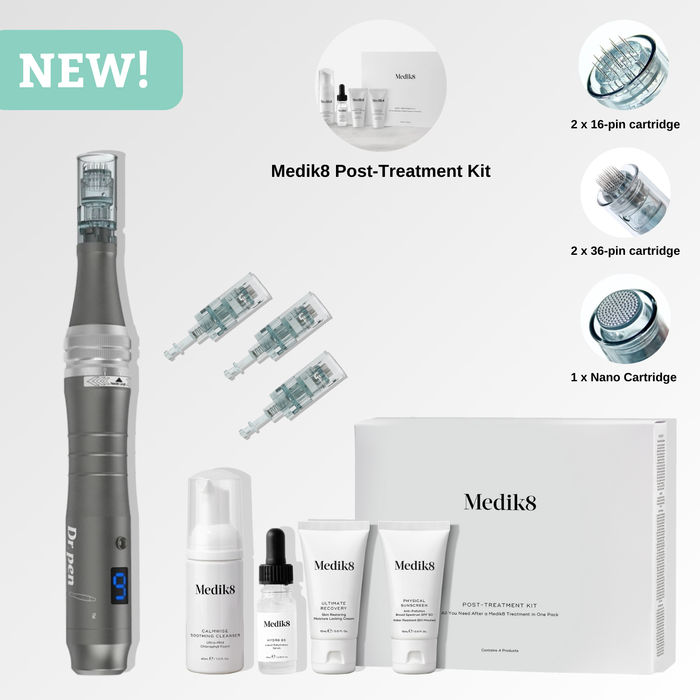
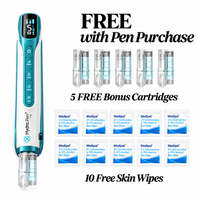
For example, the Hydra Pen H6 Advanced Serum Infusion Microneedling Pen with Light Therapy and its cartridges have different roles in the purchase decision. The pen is the device platform; the selected cartridge helps determine the type of treatment.
The Round Nano Replacement Cartridges for Hydra Pen H6 (5 pack) are a model-specific nano option. Confirm the H6 model and review the cartridge instructions before ordering. Do not assume that they fit another Dr. Pen device or substitute for a needle cartridge.
Serum-infusion and light features do not, by themselves, establish lasting pore reduction. Evaluate those features separately from what a superficial nano tip can reasonably accomplish.

Results and aftercare: judge more than the immediate glow
Follow the provider’s aftercare instructions for the actual treatment performed. A gentle cleanser, a bland moisturizer and broad-spectrum SPF 30 or higher are sensible basics. Avoid scrubbing the area or adding strong exfoliating products while the skin feels sensitive.
Do not introduce several new products at once. If irritation develops, a complicated routine makes it harder to identify the cause. Resume potentially irritating products according to your clinician’s advice and the condition of your skin, not an arbitrary countdown.
The visible benefit of a nano pen facial may be temporary, and there is no dependable universal duration or session count for pore improvement. If the effect disappears when surface hydration returns to baseline, that does not establish a lasting change in pore structure.
The FDA’s information on microneedling devices also cautions that it has not cleared microneedling devices for use in combination with other products. This matters if a proposed “nano” service actually involves skin penetration or borrows claims from microneedling. A cosmetic serum is not automatically suitable for delivery through punctured skin.
Keep a fair photographic record
Photograph clean skin before treatment and again after any immediate redness and freshly applied product sheen have settled. Keep the camera, distance, angle and lighting consistent. Compare images on the same display at similar brightness, without smoothing filters.
Save the original files and maintain a backup. If a computer failure prevents access to your photo archive, Levix’s computer repair and data recovery services address that technical problem rather than the skincare assessment itself.
Track irritation and congestion alongside appearance. A treatment that briefly produces a smoother finish but repeatedly causes breakouts or sensitivity is not a good trade-off. Before purchasing another session, compare your baseline photographs and decide whether the improvement matches the goal you originally discussed.
Who should postpone treatment or seek medical advice
A nano pen facial is not automatically suitable for every skin type or condition simply because the tip does not contain conventional needles. Skin condition on the day matters, and sensitive skin can react to friction or treatment products.
Postpone treatment and seek appropriate advice if you have:
- Active sunburn, broken skin or an irritated skin barrier.
- An eczema or rosacea flare, a cold sore or another suspected skin infection.
- Inflamed, painful acne in the proposed treatment area.
- A recent procedure, medication change or history of significant reactions that has not been reviewed by the provider.
People prone to post-inflammatory hyperpigmentation should discuss the consequences of irritation before proceeding. If a service involves actual needling, additional medical screening may be necessary.
Check the provider’s training, insurance and legal scope of practice in your state. Ask how they recognize complications and when they refer clients to a dermatologist. Increasing pain, spreading redness, pus or persistent swelling after treatment needs prompt medical assessment rather than another session.
Frequently asked questions
How deep does nano needling go? There is no universal verified depth for everything marketed as nano needling. A non-penetrating tip is intended for surface contact, but cartridge designs vary. Ask for the exact product instructions and whether the treatment punctures skin.
Will a nano pen facial clear blackheads? It should not be relied on as a blackhead treatment. Persistent clogged pores may respond better to an appropriate acne-care routine, which can include salicylic acid or a retinoid when suitable. Discuss these separately from treatment-day skincare, particularly if your skin is sensitive or you are pregnant.
Is it worth booking several sessions for enlarged pores? Not before establishing whether one appropriately performed treatment meets your goal without causing irritation. Ask what outcome is being measured, how long it is expected to last and what evidence supports the proposed schedule.
Would microneedling be better for acne scars? A dermatologist may consider professional microneedling for selected scars, but scar type and skin history affect the recommendation. A superficial nano treatment is not an equivalent substitute.
Match the purchase to the goal
Choose a nano pen facial for realistic surface-care goals, not a promise to erase pores. If persistent congestion, scarring or laxity is the main concern, obtain an assessment before investing in a device or treatment package.
When shopping with Dr. Pen Store, confirm your exact pen model, cartridge compatibility and intended treatment type before ordering. If any of those details are unclear, ask customer support to help identify the correct product rather than guessing from the cartridge name.